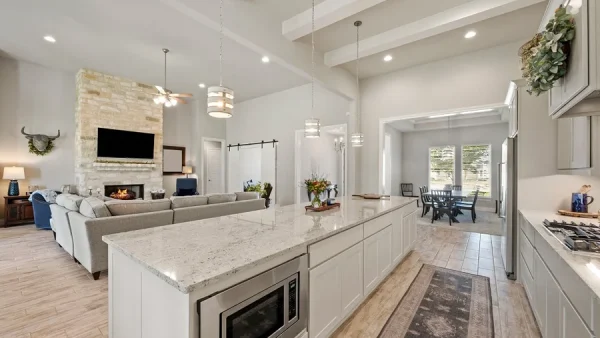


Essential Tips for Planning a Successful Home Addition
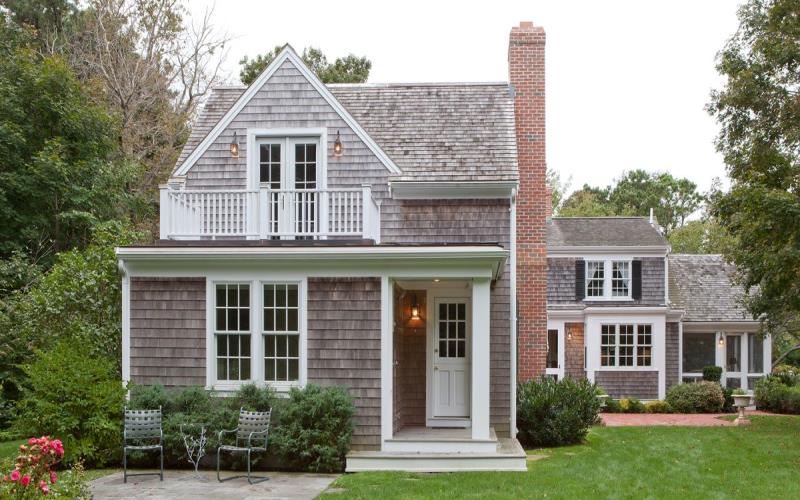
If you’re considering a home addition, you’re likely excited about the possibility of expanding your living space. However, the planning process can be overwhelming, especially if you’re not sure where to start. With the right approach, you can ensure that your home addition project runs smoothly and meets your needs.
One of the most important steps in planning a successful home addition is defining your goals. Ask yourself why you want to add onto your home and what you hope to achieve. Are you looking for more living space, a dedicated home office, or a larger kitchen for entertaining? Knowing your goals will help you make informed decisions throughout the planning process and ensure that your addition meets your needs.
Another key factor in planning a home addition is setting a realistic budget. Home additions can be costly, so it’s important to have a clear understanding of what you can afford before you start making design decisions. Consider all of the costs associated with your project, including materials, labor, permits, and any unexpected expenses that may arise. By setting a budget upfront, you can avoid overspending and ensure that your home addition is a worthwhile investment.
Planning Your Home Addition
When planning a home addition, it is important to have a clear understanding of the basics. This includes setting a realistic budget, choosing the right design professional, and navigating permits and building codes. By following these essential tips, you can ensure a successful home addition that meets your needs and stays within your budget.
Understanding the Basics of Home Additions
Before you begin planning your home addition, it is important to understand the basics. A home addition involves expanding the footprint of your existing home to increase space and functionality. This could include adding extra rooms, a second story, or converting existing spaces like garages or basements into livable areas.
To ensure a successful home addition, it is important to consider factors such as zoning regulations, local building codes, and the permitting process. You may need to work with an architect or design professional to ensure that your home addition meets all necessary requirements.
In contrast, an ADU is an Additional Dwelling Unit, which means it is separate from the main house. A home or room addition would add square footage to the main house. If you are in San Jose and need help with an ADU or room addition, contact ASL Remodeling, they’re great.
Setting a Realistic Budget
Setting a realistic budget is essential when planning a home addition. This can help you avoid overspending and ensure that your project stays within your financial means. When setting a budget, consider factors such as the size and scope of your home addition, the cost of materials and labor, and any additional expenses such as permits or design fees.
To help stay within your budget, consider working with a contractor or design professional who can provide cost estimates and help you make informed decisions about materials and design choices.
Choosing the Right Design Professional
Choosing the right design professional is essential when planning a home addition. This can help ensure that your project meets all necessary requirements and stays within your budget. When choosing a design professional, consider factors such as their experience, credentials, and portfolio of past work.
To ensure that you choose the right design professional, consider scheduling consultations with several candidates. This can help you get a sense of their communication style and approach to the design process.
Navigating Permits and Building Codes
Navigating permits and building codes is an essential part of planning a home addition. This can help ensure that your project meets all necessary requirements and is safe and structurally sound. When navigating permits and building codes, consider working with a contractor or design professional who has experience with the permitting process.
To ensure that your home addition meets all necessary requirements, be sure to research local building codes and zoning regulations. This can help you avoid costly mistakes and ensure a successful home addition.
Executing the Home Addition Project
Once you have a solid plan in place for your home addition project, it’s time to execute it. This section will cover the essential steps you need to take to ensure a successful project.
Selecting a Trustworthy Contractor
One of the most important decisions you will make during your home addition project is choosing the right contractor. You want to make sure you work with a licensed and insured general contractor who has a good reputation in the industry. Look for a contractor who has experience with home remodeling and has completed similar projects to yours in the past.
To ensure you find the right contractor, get multiple quotes from different contractors and compare them carefully. Look at the payment schedule and make sure it aligns with your budget and timeline. Don’t be afraid to ask for references and check them thoroughly. Trust and communication are key when working with a contractor, so make sure you feel comfortable with the one you choose.
Creating a Detailed Project Timeline
Creating a detailed project timeline is crucial for a successful home addition project. Work with your contractor to create a timeline that includes all the tasks that need to be completed and the deadlines for each one. This will help you stay on track and ensure that the project is completed on time.
Make sure you include time for unexpected delays, such as bad weather or unexpected issues that arise during construction. Keep in mind that some tasks may take longer than others, so be flexible and adjust the timeline as needed.
Finalizing Your Home Addition
Once the construction project is complete, it’s time to finalize your home addition. This includes adding the finishing touches such as paint, flooring, and fixtures. Make sure you use quality materials to ensure a high-quality finish.
During this stage, it’s important to keep an eye on your budget and ROI. Make sure you’re getting the most value for your money and that the finished product aligns with your goals and needs.
In conclusion, a successful home addition project requires careful planning, attention to detail, and the right team of professionals. By selecting a trustworthy contractor, creating a detailed project timeline, and finalizing your home addition with quality materials, you can ensure a successful project that adds value to your home.