
How to Integrate Trendy Tech Support Solutions into a Modern Office Environment
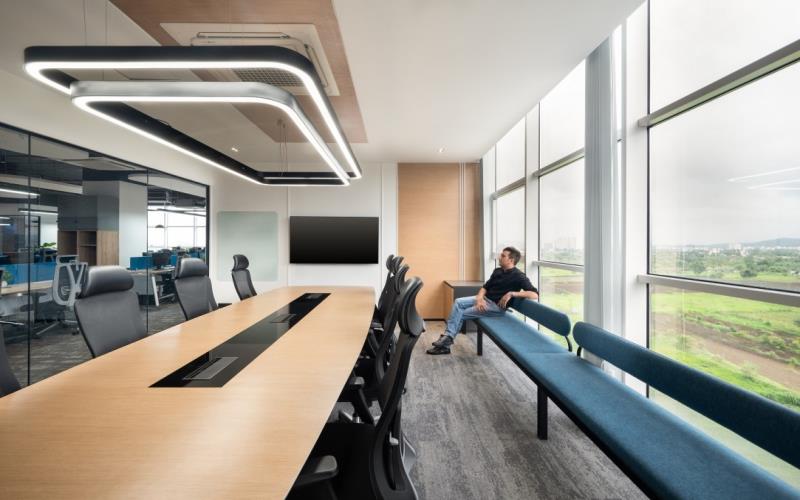
If you’re looking to create a modern office environment that’s optimized for productivity and efficiency, integrating trendy tech support solutions is a must. With the rapid pace of technological advancement, it’s essential to keep up with the latest trends and tools to stay ahead of the curve. Whether you’re a small business owner or a manager at a large corporation, understanding how to integrate technology into your workplace can help you streamline processes, improve communication, and enhance the overall employee experience.
One of the most significant benefits of integrating technology into your office environment is the ability to create a more flexible and adaptable workspace. With the rise of remote work and the increasing demand for work-life balance, it’s essential to have the tools and infrastructure in place to support a hybrid workforce. From cloud-based collaboration platforms to video conferencing solutions, there are countless tech support solutions available that can help you create a more agile and responsive workplace that’s better equipped to handle the demands of the future of work.
In this article, we’ll explore some of the latest trends and best practices for integrating technology into a modern office environment. We’ll cover everything from hardware and software solutions to communication and collaboration tools, giving you the knowledge and insights you need to create a truly cutting-edge workplace that’s optimized for success. Whether you’re just getting started with tech integration or you’re looking to take your existing infrastructure to the next level, this guide will provide you with the tips, tricks, and strategies you need to succeed in the modern business world.
Designing a Tech-Forward Office Environment
To create a modern office environment that is both tech-forward and employee-friendly, you need to consider several factors. These include evaluating office design and layout, incorporating smart technology, and prioritizing employee well-being.
Evaluating Office Design and Layout
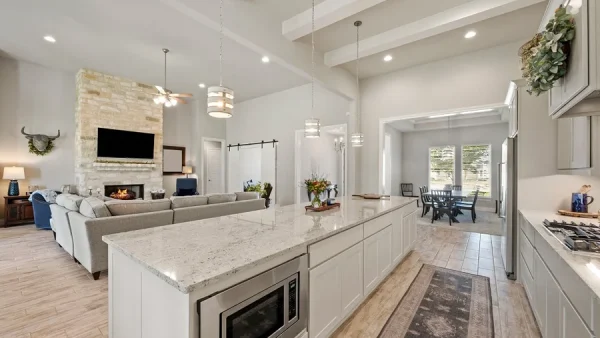
The design and layout of your office play a crucial role in employee productivity, efficiency, and creativity. Consider incorporating natural light and ergonomic furniture to create a comfortable and healthy work environment. Smart furniture and office layouts can also help improve collaboration and flexibility.
Incorporating Smart Technology
Smart technology can help streamline office operations and improve employee engagement. IoT devices and sensors can be used to create smart offices that are energy-efficient and easy to manage. Smart lighting systems, occupancy sensors, and wireless charging stations are just a few examples of how technology can be used to create a more efficient and convenient work environment.
Prioritizing Employee Well-Being
Employee well-being should be a top priority when designing a tech-forward office environment. Consider incorporating intelligent lighting systems, temperature control, and air quality sensors to create a comfortable and healthy work environment. Providing work-life balance and job satisfaction can also help improve employee engagement and productivity.
In conclusion, designing a tech-forward office environment involves evaluating office design and layout, incorporating smart technology, and prioritizing employee well-being. By considering these factors, you can create a modern office environment that is both efficient and employee-friendly.
Leveraging Tech for Enhanced Communication and Collaboration
Adopting Advanced Communication Tools
Effective communication is essential for a successful team, and technology can play a pivotal role in facilitating it. With the use of advanced communication tools, you can easily connect with team members regardless of their location. Video conferencing tools like Zoom and Skype can enable face-to-face communication, which can help improve human interaction and collaboration.
Moreover, mobile devices and apps can help you stay connected with your team members on-the-go. You can use messaging apps like Slack to communicate with your team members and share files with them. Headphones can also be useful in a noisy office environment, allowing you to concentrate better during calls.
Facilitating Remote and Flexible Work
Remote work is becoming increasingly popular, and technology can help make it possible. With the use of digital tools and connectivity solutions, you can work from anywhere in the world. This can help improve flexibility and work-life balance for employees.
Moreover, meeting spaces equipped with whiteboards and video conferencing tools can enable remote team members to participate in meetings and collaborate with their colleagues. However, it’s important to ensure cybersecurity when working remotely to protect sensitive information.
In conclusion, by leveraging technology, you can enhance communication and collaboration in the workplace. Adopting advanced communication tools and facilitating remote work can help improve productivity, flexibility, and work-life balance for employees.