


What Plants to Choose for Your Balcony Garden
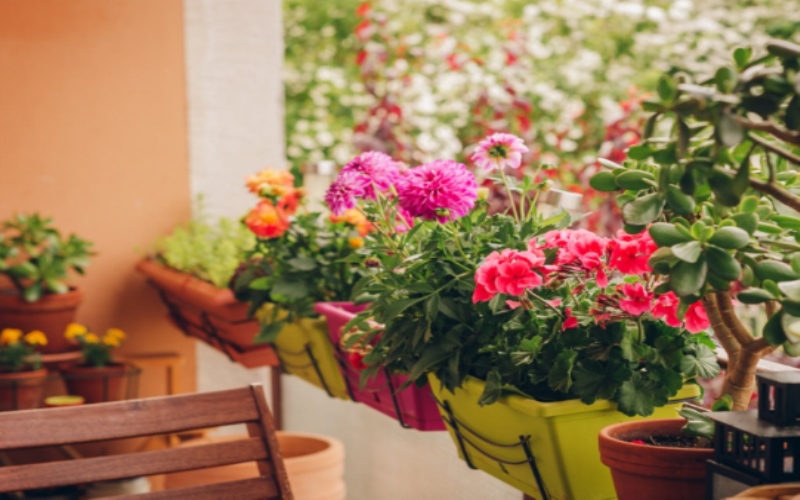
Balcony gardens are an incredible way to bring nature closer, even in the midst of urban life. Whether you have a tiny apartment or a spacious terrace, the right plants can transform your outdoor space into a lush haven. But how do you choose the perfect plants for your balcony garden? This guide will walk you through the process, providing expert advice to help you create a thriving, beautiful garden.
Assessing Your Balcony’s Environment
Before buying plants, it’s essential to understand your balcony’s environment. Plants thrive when their needs align with their surroundings, so taking the time to assess a few key factors can set your garden up for success.
Sunlight Exposure
One of the most critical factors in plant selection is sunlight. Observe your balcony at different times of the day to determine how much sunlight it receives.
- Full Sun (6+ hours/day): Ideal for sun-loving plants like succulents, roses, and tomatoes.
- Partial Shade (4–6 hours/day): Great for herbs, ferns, and flowering plants like impatiens.
- Full Shade (<4 hours/day): Suitable for low-light plants like snake plants, pothos, and hostas.
Climate Considerations
Your local climate plays a significant role in plant choice. If you live in a hot, arid region, drought-tolerant plants like cacti and succulents will thrive. In cooler climates, hardy perennials and frost-tolerant plants are better suited. For areas with heavy rainfall, consider plants that prefer moist conditions, such as ferns or hydrangeas.
Space and Layout
Balcony space is often limited, so maximizing it creatively is crucial:
- Vertical Gardening: Use wall-mounted planters or hanging baskets to save floor space.
- Railing Planters: Attach planters to your balcony rails for flowers or herbs. Alternatively, consider using a planter box, which can double as both a functional and decorative element for neatly organizing your plants. Planter boxes come in various sizes and designs, making them ideal for balconies of all styles.
- Compact Containers: Choose smaller pots to accommodate more plants.
Also, be mindful of wind exposure and the weight your balcony can support, as large pots filled with soil can be heavy.
Types of Plants to Consider
Once you’ve assessed your balcony environment, it’s time to explore plant options. Let’s break it down by categories to suit different needs and preferences.
Edible Plants
Growing your own food is not only satisfying but also practical. Edible plants are perfect for small balcony gardens:
- Herbs: Basil, mint, parsley, and rosemary are easy to grow and add fresh flavor to your meals.
- Vegetables: Compact options like cherry tomatoes, chili peppers, and lettuce thrive in containers.
- Fruits: Consider strawberries, dwarf citrus trees, or even blueberries in large pots.
Ornamental Plants
Ornamental plants enhance the beauty of your balcony, creating a vibrant and inviting space:
- Flowering Plants: Petunias, geraniums, and marigolds add bursts of color and are relatively low maintenance.
- Foliage Plants: Ferns, calatheas, and succulents provide lush greenery and texture.
Air-Purifying Plants
If you want a healthier environment, consider adding air-purifying plants:
- Snake Plants: Resilient and ideal for beginners, they require minimal care.
- Pothos: Fast-growing and versatile, perfect for hanging baskets.
- Peace Lilies: Aesthetic and effective at improving air quality.
Seasonal vs. Perennial Plants
- Seasonal Plants: These bloom for a specific season and add fresh beauty to your balcony but require regular replacement. Examples include pansies in winter and zinnias in summer.
- Perennials: These live for multiple years, providing consistency and requiring less maintenance. Options include lavender and hydrangeas.
Balcony Garden Themes and Plant Pairings
Creating a theme for your balcony garden can elevate its aesthetic appeal. Here are a few ideas to inspire you:
Zen Garden
For a calming, minimalist vibe, consider:
- Plants: Bamboo, bonsai, and moss.
- Accessories: Add stones, a small water fountain, or an artificial grass carpet to create the illusion of a serene natural landscape. An artificial grass carpet is low-maintenance and adds a lush green touch to your Zen balcony garden.
Tropical Paradise
To recreate a tropical look, choose:
- Plants: Palms, bird of paradise, hibiscus, and orchids.
- Accessories: Bright-colored pots and a hammock can complete the ambiance.
Edible Haven
Combine beauty and functionality by growing:
- Plants: Herbs, tomatoes, and pollinator-friendly flowers like marigolds.
- Tip: Place fragrant herbs like lavender near seating areas to repel insects.
Minimalist Look
For a clean, modern style, opt for:
- Plants: Succulents, grasses, and monochromatic flowers.
- Containers: Choose sleek, neutral pots to emphasize simplicity.
Practical Tips for Plant Care and Maintenance
A healthy balcony garden requires consistent care, but it doesn’t have to be complicated. Here are a few practical tips to help your plants thrive.
Container Gardening Basics
- Choosing the Right Pots: Use containers with drainage holes to prevent overwatering.
- Soil Selection: Opt for a potting mix tailored to your plants’ needs. For example, cacti prefer sandy soil, while flowers thrive in nutrient-rich mixes.
Watering Tips
- Frequency: Water based on your plants’ requirements. Herbs and vegetables may need daily watering, while succulents can go weeks without water.
- Self-Watering Systems: Invest in self-watering pots or irrigation systems for convenience.
Fertilization and Pruning
- Fertilizing: Use organic or slow-release fertilizers to provide essential nutrients.
- Pruning: Regularly remove dead leaves and spent flowers to encourage growth and prevent pests.
Overcoming Common Challenges
Balcony gardening isn’t without its challenges, but most issues can be resolved with a little planning.
Dealing with Limited Space
- Solution: Use vertical planters, hanging baskets, and stackable pots to maximize space.
- Multi-Purpose Plants: Grow plants that are both decorative and edible, like chilies or nasturtiums.
Combatting Pests
- Solution: Use natural pest deterrents like neem oil, garlic spray, or companion planting.
- Tip: Inspect plants regularly to catch pest problems early.
Handling Harsh Weather
- Solution: Protect plants with shade cloth during extreme heat or move pots indoors during frost.
- Tip: Group plants together to create a microclimate that retains humidity and provides mutual protection.
Conclusion
Creating a balcony garden is a fulfilling way to connect with nature, no matter how small your space. By understanding your balcony’s environment, selecting the right plants, and following simple care tips, you can cultivate a thriving, beautiful garden. Remember, gardening is a journey—start small, experiment with different plants, and enjoy the process.
We’d love to hear about your balcony garden journey! Share your stories or ask questions in the comments below, and let’s grow together.