

How To Apply For Car Finance
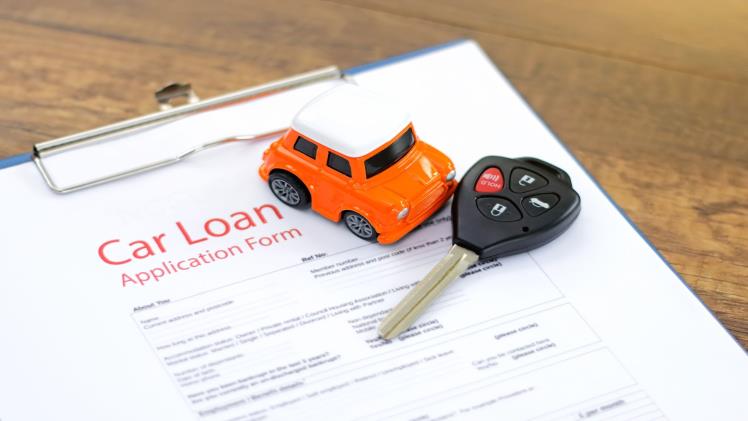
Buying a new car is an exciting time for all of us, but before you can drive away, you’ll have to think about how you’re going to afford it – this is where car finance comes in. Many of us can’t afford to pay for a car outright, so the various types of finance to choose from means we can pay for our vehicle in affordable instalments. There is even an option for car finance bad credit, so even if you’ve struggled with your finances in the past, you can still be approved.
How does car finance work?
Car finance gives us the option to purchase a car, without having to find a lump sum to pay for it upfront. There are a few types of car finance that you can choose from to suit your cash flow and income, so you can choose an option that is best for you. The most popular types of car finance may require you to make a small down payment before driving your car away, and then you pay monthly instalments back to your lender, to cover the cost of the car, interest, and depreciation. Lenders will look at a few factors when considering whether your application will be accepted, your credit score and history are some of the most important when getting the best deal – but we will look at this in more detail below.
Types of car finance
Before you can benefit from all that car finance has to offer, you’ll need to compare the types of finance that are available to you so that you can get the best deal for your finances. Here are a few of the most popular options:
Personal loan: This is a type of loan that you would take out from a lender so that you can pay for the car in full. You will own the car as soon as you drive it away, and you’ll pay monthly instalments back to your loan provider to spread the overall cost. One of the benefits of this is that you won’t incur extra charges as you might with other types of finance, but you will need a good credit score to be approved.
Hire purchase: With this finance option, you will pay a small deposit, and pay your lender an agreed amount monthly to pay for your car. Technically, you won’t own the car until you have made the final repayment, along with other fees that you may be faced with known as ‘option to purchase’ fees.
PCP: Similar to your hire purchase option, a personal contract purchase requires a small deposit and then you will pay your lender back in instalments towards the car. You won’t own the car unless you choose to make a balloon payment at the end of the contract term, or you can swap the car for another model, or hand it back to the supplier.
How do you apply?
If you have found a finance option that you think is best for you, the next stage is to apply – but first, there are a few things that you should do before you make your final decision, such as…
Compare
It is essential that you take a look at your options and compare which is best for you. If you want to own your car, you’ll need to make sure the finance option allows for that. If you enjoy changing your car after a few years, make sure your lender allows this. You could also compare potential hidden fees that you may come across, and see which lender offers you the best deal in terms of price monthly, and over the term of the contract. Make sure that you use a soft search to compare lenders so that you don’t damage your credit score.
Affordability
When you apply for car finance, it is essential that you can afford your repayments. Finance is one of the best options for those of us that haven’t got a lump sum to spend on a car, but you must remember that you still have to pay monthly instalments. Generally, the higher priced the car, the more money you will pay each month, so make sure you choose a sensibly priced car to match your budget. When comparing, you’ll get an idea of how much you’ll have to pay monthly, depending on the amount you’re spending on your deposit.
Documents
When you’re applying for car finance, there are a few documents that you will need with you throughout the process – although depending on your lender, they may have other specific requirements. You will likely need your driver’s license, current contact details and address, as well as details about where you work, your income and how much you spend. They may ask for a bank statement to help with this. It is essential that you provide all of the necessary documents so that you can benefit from fast approval. It also helps your lender to decide whether you can afford car finance.
Approval with bad credit
If you have had trouble managing your finances in the past, you may have a bad credit score. This can have an impact on a lender’s decision on whether you are creditworthy. If your credit score is low, it may be more difficult to be approved for car finance, or you may incur more interest on your payments. However, certain lenders accept those that have bad credit and base their decision on whether they think you will be able to afford the monthly repayments. Just because you have bad credit, that doesn’t mean that you’re stuck without a car, you just have to find a lender that can help you and your situation.